
Top-Notch Industrial Roller Chains
Discover our standout collection of industrial roller chains, crafted with care for conveyor systems across multiple industries. These chains deliver unmatched toughness, meticulous design, and adaptability. Engineered to tackle tough workloads, they keep materials moving smoothly and perform brilliantly in all kinds of settings.
What We Offer
Our roller chains power industries like food production, woodworking, shipping, and packaging equipment. Their strength and dependability make them a go-to choice for moving materials safely and efficiently.
Chain Details
| Roller Chain Options | |
| Short Pitch Precision Roller Chain (A Series) | Comes in sizes like 04C-1, 06C-1-2-3, and plenty more to choose from. |
| Heavy Duty Series Roller Chain | Built tough with models like 08AH-1 and 10AH-1 for intense jobs. |
| Self-Lubricating Roller Chain | Smart designs like 08BSLR and 10BSLR that cut down on upkeep. |
| Bush Chain | Options like P15F-B and P20-B to match different industrial needs. |
Why Pick Our Chains?
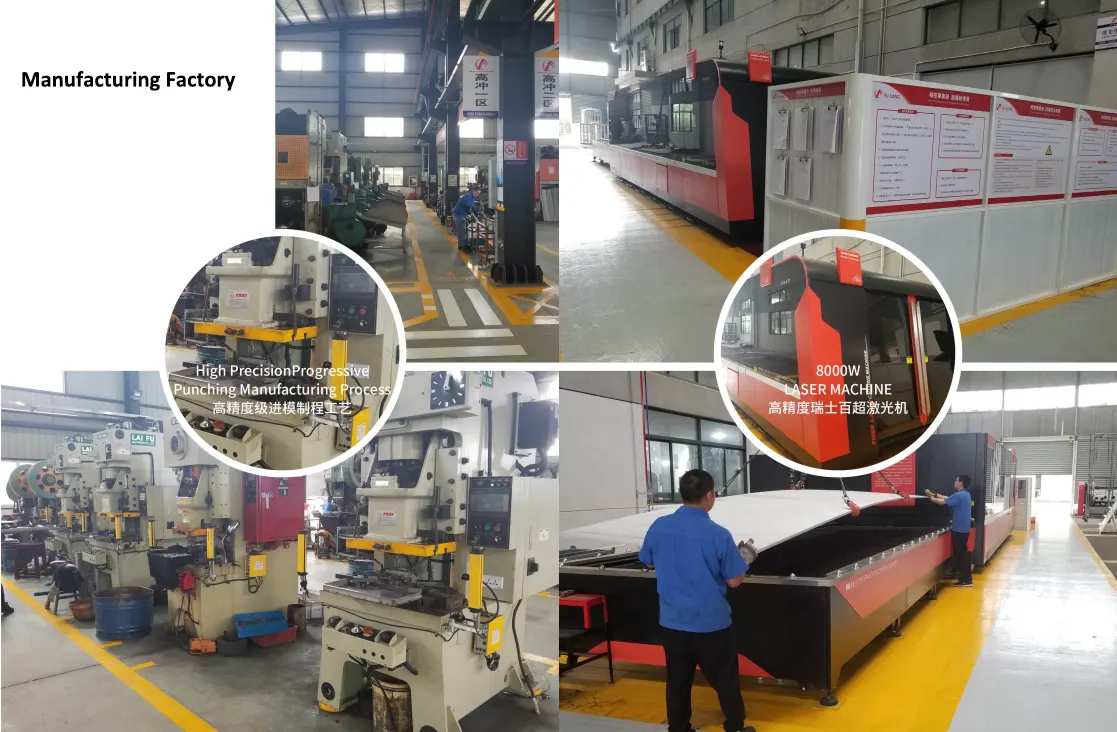
Our roller chains are a testament to quality and skillful engineering. Made from top-tier materials, they’re built to last and work efficiently. Every chain gets put through tough tests to meet high standards, so you get something that performs rock-solid, no matter the conditions.
More Than Just Chains
Beyond our exceptional roller chains, we’ve got a full lineup of industrial gear. Think agricultural gearboxes, power shafts, sprockets, hydraulic couplings, worm gear reducers, racks, pulleys, planetary gearboxes, timing pulleys, bushings, and more. You’ll enjoy great prices and top quality, plus the ability to tweak products to fit your exact specs or sketches.
Common Questions Answered
- Which industries rely on industrial roller chains?
They’re a big help in fields like food processing, logistics, packaging, and machinery. - Can I tweak the chains to my needs?
You bet—we can customize them based on your drawings or samples. - What sets your chains apart from the rest?
They’re made from premium materials for long life, strong performance, and less maintenance. - Do you help with setup and upkeep?
Absolutely, we’ve got your back with full support and tips for installation and care. - Are your prices fair?
We aim to deliver top-notch products at wallet-friendly rates to keep you happy.
How Conveyor Chains Perform
A conveyor chain’s performance can make or break its efficiency and lifespan. Here’s what stands out:
- Toughness: Built to handle wear and tear, these chains shine in heavy-duty tasks, resisting scratches and fatigue for years of use.
- Weight Handling: They carry hefty loads with ease, moving all sorts of materials without skipping a beat.
- Speed: These chains keep up with fast-paced work, moving goods quickly while staying steady and accurate.
- Rust Protection: Many come with rust-resistant finishes or materials, thriving in rough conditions.
- Versatility: Some designs bend and flex to fit different conveyor setups, making the most of your space and flow.
Different Kinds of Conveyor Chains
Conveyor chains vary widely, each suited to specific jobs. Knowing your options helps you pick the perfect one.
- Roller Chains: A staple in industry, they’re strong, versatile, and great for transferring power.
- Block Chains: With block-shaped links, they spread weight evenly and handle heavy stuff well.
- Leaf Chains: Light but sturdy, they’re made for lifting and excel under changing loads.
- Specialty Chains: Custom-made for unique tasks, they might resist rust or flex more to fit the job.
Why Chain Materials Matter
The stuff a chain’s made of shapes how it works and where it fits best.
- Steel Chains: Super strong and durable, they’re great for big jobs but might need a coating to fight rust.
- Plastic Chains: Light and rust-proof, they’re a top pick for food and medical uses where cleanliness counts.
- Stainless Steel Chains: They shrug off rust and heat, making them ideal for sanitary or hot environments.
Where Conveyor Chains Shine
These chains pop up everywhere, proving their worth across industries.
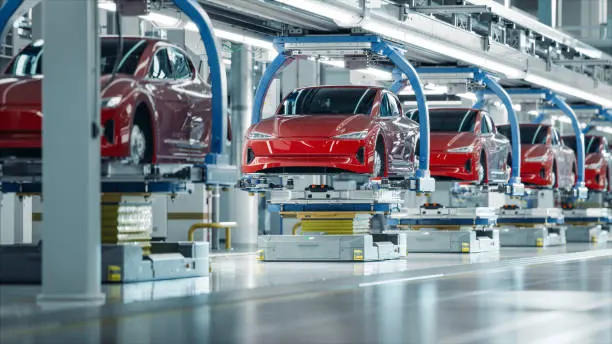
- Car Manufacturing: They move parts down assembly lines, speeding up production and keeping things precise.
- Food Industry: They carry food safely through processing steps, keeping everything clean and smooth.
- Farming Gear: They power machines in the field, boosting output for planting and harvesting.
- Cement Plants: They haul raw materials and finished goods, keeping operations humming.
- Healthcare: They move supplies and gear, playing a key role in logistics and stock management.
What’s Next for Conveyor Chains
The future looks bright for conveyor chains, with new ideas in materials, design, and tech on the horizon.
- Smart Systems: Hooking up with IoT tech means smarter conveyors that fine-tune performance and maintenance.
- Green Focus: Makers are leaning into eco-friendly materials and methods to meet rising green standards.
- Tailored Solutions: More demand for custom chains means better fits for specific industry challenges.
Picking the Best Conveyor Chain
Choosing the right chain takes some thought to get the best results.
- Know Your Needs: Figure out what your job demands—load, speed, and surroundings.
- Pick the Type: Match the chain to the task, whether it’s roller, block, or something special.
- Choose the Material: Look at the setting and pick something tough and resistant enough.
- Think About Lubrication: Check if the chain needs oiling based on its type and use.
- Check the System: A smart conveyor setup paired with the right chain cuts downtime and boosts output.
- Weigh Cost and Quality: Find the sweet spot between price and performance for your setup.
Wrapping Up
Conveyor chains are a backbone for tons of industries, bringing standout features that ramp up productivity. By digging into the types, materials, and uses, companies can choose wisely to match their needs. Looking ahead, conveyor tech is set to get smarter and greener, opening doors to better material handling.
Author: Dream
Content sourced from the web; meant as a guide for picking products. Our items are replacement parts, not original spares. We don’t own the trademarks here—our parts fit aftermarket needs, not OEM. They work great with original equipment, but for OEM parts, reach out to the original maker or supplier.